The logistics industry has become one of the fastest-growing sectors in the United Arab Emirates. As the country continues expanding its role as a global trade and transportation hub, businesses involved in warehousing, freight forwarding, cargo handling, and supply chain management are creating new opportunities for skilled professionals. Whether you are an experienced logistics specialist or someone looking to begin a career in this dynamic industry, understanding how the sector operates can help you prepare for long-term success.
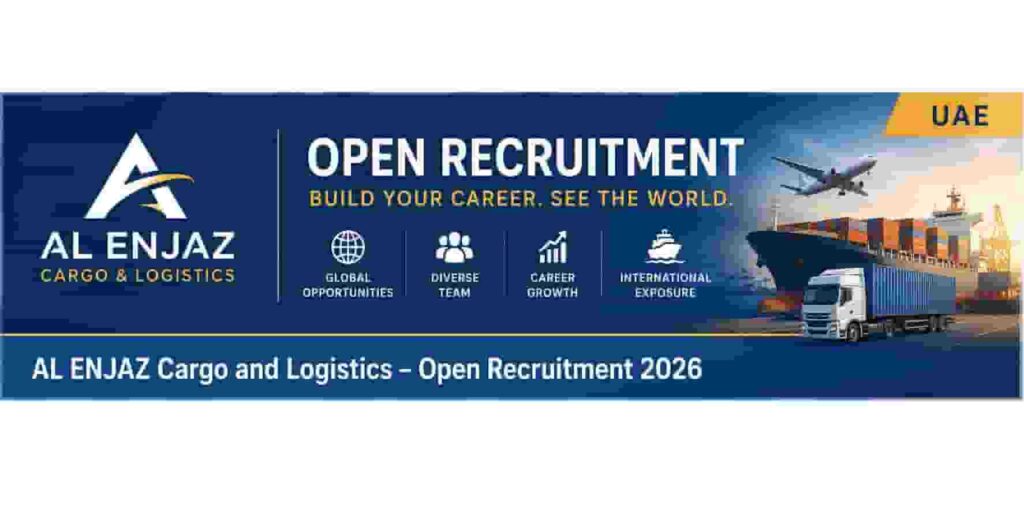
The UAE enjoys a strategic geographic location connecting Asia, Europe, and Africa. This unique position has made the country an important gateway for international trade. Every day, millions of tons of goods move through airports, seaports, warehouses, and distribution centers across the Emirates. Behind these operations are thousands of professionals working in logistics, transportation, customs, inventory management, customer service, and administration.
In recent years, rapid growth in e-commerce, manufacturing, retail, healthcare, construction, and international trade has significantly increased the demand for efficient supply chain solutions. Organizations continue investing in modern warehouses, automated inventory systems, digital freight management, and advanced transportation networks. These developments create a wide variety of career paths for individuals with different educational backgrounds and professional experience.
Technology is also transforming the logistics industry. Warehouse automation, artificial intelligence, real-time shipment tracking, enterprise resource planning (ERP) systems, and digital inventory control have improved operational efficiency. As businesses adopt these technologies, employers increasingly value candidates who possess both technical knowledge and strong problem-solving skills.
Another reason logistics remains an attractive career choice is its diversity. The industry offers opportunities beyond warehouse operations. Professionals can build careers in procurement, transportation planning, customs compliance, finance, human resources, customer support, operations management, quality assurance, and information technology. This flexibility allows employees to develop specialized expertise while continuing to grow professionally.
Companies across the UAE continue seeking individuals who can contribute to reliable, efficient, and customer-focused logistics operations. Among the organizations operating in this sector is Al Enjaz Cargo Gate, reflecting the growing demand for professionals supporting cargo movement, warehousing, freight coordination, and supply chain services across the region.
Our guide provides valuable information about logistics careers in the UAE, including industry insights, career paths, essential skills, salary expectations, interview preparation, required documents, career progression, and practical tips to help job seekers prepare for opportunities in this evolving sector.
About Al Enjaz Cargo Gate
We rely on coordinated planning, efficient transportation, and accurate inventory management to ensure products reach businesses and customers safely and on time. Organizations operating within this sector often provide integrated logistics solutions that support domestic and international trade across multiple industries.
We manage a wide range of services designed to simplify the movement of goods from manufacturers to distributors, retailers, and end customers. These services require collaboration between warehouse teams, transportation professionals, customs specialists, customer service representatives, and operational managers.
Warehousing Operations
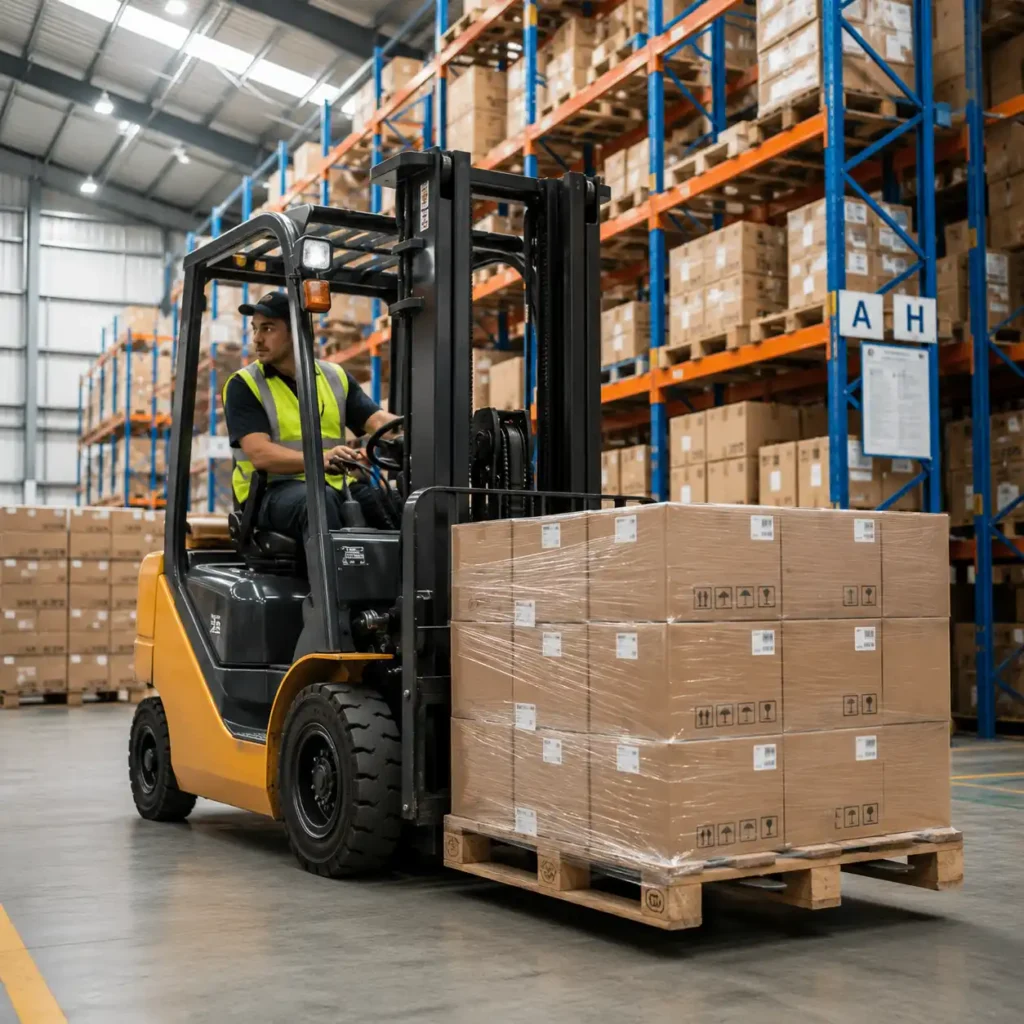
Warehousing forms the foundation of every supply chain. Modern warehouses are responsible for receiving, storing, organizing, and dispatching products while maintaining accurate inventory records.
Warehouse operations commonly include:
- Receiving incoming shipments
- Inventory inspection
- Product storage
- Order picking
- Packing
- Quality control
- Shipment preparation
- Inventory counting
- Stock rotation
- Distribution coordination
Many facilities now use barcode scanners, warehouse management systems (WMS), and digital inventory software to improve efficiency and reduce operational errors.
Cargo Management
Cargo management involves coordinating the safe handling and transportation of goods through various transportation channels, including air, sea, and land freight.
Cargo professionals are responsible for:
- Shipment documentation
- Cargo scheduling
- Weight verification
- Packaging compliance
- Loading coordination
- Delivery monitoring
- Customer communication
- Shipment tracking
Attention to detail is particularly important because shipping errors may affect delivery schedules and customer satisfaction.
Freight Services
Freight operations coordinate the transportation of goods between suppliers, manufacturers, distributors, and customers.
Freight teams may work with:
- Air freight
- Sea freight
- Road transportation
- International shipping
- Domestic delivery networks
- Cross-border logistics
Successful freight coordination requires careful planning, route optimization, scheduling, and communication between multiple stakeholders.
Customs Clearance Support
International trade requires compliance with customs regulations and import-export documentation. Customs professionals help ensure shipments meet regulatory requirements before goods enter or leave the country.
Responsibilities often include:
- Preparing customs documentation
- Reviewing import permits
- Export declarations
- Duty calculations
- Regulatory compliance
- Shipment inspections
- Communication with government authorities
Strong knowledge of customs procedures helps reduce delays during shipment processing.
Fleet Operations
Transportation fleets play a vital role in logistics. Vehicles move goods between ports, warehouses, airports, retail locations, and customers throughout the UAE and international markets.
Fleet operations may include:
- Vehicle scheduling
- Route planning
- Fuel management
- Driver coordination
- Vehicle maintenance
- Safety inspections
- Delivery performance monitoring
Modern fleet management systems provide real-time tracking that helps improve operational efficiency.
Supply Chain Coordination
Supply chain management connects every stage of product movement, from sourcing raw materials to final customer delivery.
Supply chain professionals work closely with departments responsible for:
- Procurement
- Inventory planning
- Transportation
- Warehousing
- Demand forecasting
- Distribution
- Customer fulfillment
Effective supply chain coordination helps organizations reduce costs, improve delivery performance, and maintain customer satisfaction.
Why Choose a Career in UAE Logistics?
The UAE logistics sector offers diverse career opportunities for professionals interested in transportation, warehousing, supply chain management, customer service, administration, and operations. As international trade continues to expand, logistics remains one of the country’s most important economic sectors.
Rather than focusing only on short-term employment, many professionals choose logistics because it offers continuous learning, career development, and opportunities to work with global organizations.
Tax-Free Income
One of the major attractions of working in the UAE is the opportunity to earn tax-free personal income under current regulations. This allows many professionals to maximize their savings while building international work experience.
Salary packages may also include benefits such as accommodation allowances, transportation support, medical insurance, annual leave, and airfare, depending on the employer and employment contract.
Career Growth Opportunities
Logistics offers clear pathways for professional advancement. Employees often begin in entry-level operational roles before progressing into supervisory, management, or specialist positions through experience and continuous learning.
Developing expertise in inventory systems, freight operations, customs procedures, and supply chain management can significantly improve long-term career prospects.
International Work Experience
The UAE serves businesses from around the world, creating multicultural workplaces where employees collaborate with colleagues, suppliers, and customers from different countries.
Working in an international environment helps professionals strengthen communication skills, understand global business practices, and expand their professional networks.
Technology-Driven Industry
Technology continues transforming logistics through automation, artificial intelligence, cloud-based inventory management, GPS tracking, robotics, and data analytics.
Professionals who remain updated with industry technologies often enjoy broader career opportunities and increased responsibilities.
Growing Supply Chain Demand
The expansion of online shopping, manufacturing, healthcare, construction, aviation, and retail continues increasing demand for logistics professionals across the UAE.
As businesses prioritize faster deliveries and efficient inventory management, skilled employees remain essential to maintaining reliable supply chain operations.
Career Departments at Al Enjaz Cargo Gate
Logistics organizations typically include multiple departments that work together to support efficient cargo movement and customer service. Understanding these departments can help job seekers identify career paths that match their skills and interests.
Warehouse Operations
Warehouse teams ensure products are accurately received, stored, organized, and dispatched.
Typical responsibilities include:
- Receiving shipments
- Picking customer orders
- Packing products
- Inventory counting
- Stock organization
- Loading and unloading deliveries
- Quality inspections
- Warehouse safety compliance
Strong attention to detail and teamwork are valuable skills for warehouse professionals.
Freight Operations
Freight departments coordinate the movement of goods through air, sea, and road transportation networks.
Responsibilities may include:
- Shipment scheduling
- Freight documentation
- Transportation planning
- Cargo tracking
- Customer communication
- Carrier coordination
- Delivery monitoring
Freight professionals often work closely with warehouse teams and transportation providers to ensure shipments arrive on schedule.
Customs Clearance
Customs specialists help organizations comply with import and export regulations.
Common duties include:
- Preparing customs documents
- Reviewing shipment records
- Coordinating inspections
- Supporting regulatory compliance
- Communicating with customs authorities
- Monitoring shipment clearance
Knowledge of international trade procedures is particularly valuable in this department.
Fleet Maintenance
Fleet maintenance teams help ensure vehicles remain safe, reliable, and operational.
Their responsibilities may include:
- Preventive maintenance scheduling
- Vehicle inspections
- Repair coordination
- Fuel management
- Driver support
- Safety compliance
- Service record management
Reliable fleet operations contribute to efficient delivery performance across the supply chain.
Career Departments, Essential Skills, Salary Expectations, Career Growth & Interview Preparation
Customer Service Department
Customer service plays an important role in the logistics industry by acting as the connection between clients and operational teams. Whether a shipment is moving across the UAE or internationally, customers expect regular updates, accurate information, and timely support.
Professionals working in customer service help ensure smooth communication throughout the shipping process. Their responsibilities often include responding to customer inquiries, providing shipment updates, resolving delivery concerns, coordinating with warehouse and freight teams, and maintaining service records.
A successful customer service professional combines excellent communication skills with patience, attention to detail, and a customer-focused approach. Since logistics operations involve multiple departments, strong coordination skills are equally important.
Typical responsibilities include:
- Responding to customer inquiries
- Tracking shipments
- Preparing service reports
- Coordinating with operations teams
- Resolving customer concerns
- Updating shipment records
- Maintaining customer satisfaction
Human Resources (HR)
Human Resources supports employees throughout their employment journey. HR professionals help organizations recruit qualified candidates, coordinate onboarding, maintain employee records, and support workplace policies.
Within logistics companies, HR departments work closely with operations managers to ensure the workforce meets business requirements while promoting employee development and compliance with labor regulations.
Common HR responsibilities include:
- Recruitment and onboarding
- Employee documentation
- Training coordination
- Attendance management
- Performance evaluations
- Leave administration
- Employee engagement
- HR policy implementation
Strong interpersonal skills, organization, and confidentiality are essential qualities for HR professionals.
Finance Department
Financial management is an essential function within logistics organizations. Finance teams help monitor company expenses, prepare budgets, process invoices, and ensure accurate financial reporting.
As logistics operations involve transportation costs, inventory expenses, customs duties, and supplier payments, finance professionals contribute significantly to business efficiency.
Typical responsibilities include:
- Invoice processing
- Budget preparation
- Expense tracking
- Payroll support
- Financial reporting
- Cost analysis
- Vendor payments
- Record maintenance
Professionals with knowledge of accounting software and spreadsheet applications often have an advantage in finance-related roles.
Administration Department
Administrative teams provide operational support that helps departments work efficiently. Their responsibilities cover document management, scheduling, office coordination, communication, and record-keeping.
Administrative professionals often interact with employees, customers, suppliers, and management, making organizational and communication skills particularly valuable.
Common responsibilities include:
- Managing office documents
- Scheduling meetings
- Preparing reports
- Maintaining employee records
- Coordinating office supplies
- Supporting department managers
- Handling correspondence
- Organizing files
Administrative experience can provide a strong foundation for future supervisory or management positions.
Skills Employers Look For
While educational qualifications are important, employers also value practical workplace skills that contribute to efficient daily operations. Developing these skills can improve employability across the logistics industry.
Communication Skills
Clear communication helps employees coordinate tasks, understand instructions, and provide accurate information to customers and colleagues. Both verbal and written communication are valuable in warehouse, office, and management roles.
Teamwork
Logistics operations involve close collaboration between multiple departments. Employees who work effectively with colleagues often contribute to smoother operations and better customer service.
Time Management
Meeting shipment deadlines requires careful planning and prioritization. Employers appreciate candidates who can organize workloads, manage multiple responsibilities, and complete tasks efficiently.
ERP System Knowledge
Many logistics companies use Enterprise Resource Planning (ERP) software to manage inventory, procurement, transportation, and reporting.
Familiarity with systems such as:
- SAP
- Oracle
- Microsoft Dynamics
- Odoo
can be beneficial, although training is often provided depending on the role.
Microsoft Excel
Spreadsheet skills remain valuable across logistics departments.
Excel is commonly used for:
- Inventory tracking
- Reporting
- Data analysis
- Scheduling
- Budget monitoring
- Shipment records
Learning formulas, pivot tables, and basic data management can strengthen your professional profile.
Inventory Control
Inventory accuracy directly affects warehouse efficiency and customer satisfaction. Employers often look for candidates who understand stock management, product organization, inventory counting, and warehouse safety practices.
Forklift Certification
For warehouse positions, holding a valid forklift certification may improve employment opportunities where equipment operation forms part of the role.
Certification requirements vary depending on the employer and applicable workplace regulations.
Problem-Solving
Unexpected challenges such as shipment delays, inventory discrepancies, or transportation disruptions require employees who can assess situations calmly and identify practical solutions.
Strong analytical thinking supports operational efficiency across logistics functions.
Salary Expectations in UAE Logistics
Compensation within the logistics industry depends on several factors rather than a single standard salary. Understanding these factors helps job seekers evaluate opportunities more realistically.
Salary levels may vary based on:
- Professional experience
- Educational qualifications
- Technical certifications
- Job responsibilities
- Employer size
- Industry sector
- Work location
- Shift schedules
- Overtime opportunities
- Performance incentives
Some employers may also offer additional benefits such as accommodation allowance, transportation allowance, medical insurance, annual leave, and airfare, depending on employment terms.
Estimated Monthly Salary Range
| Position | Estimated Monthly Salary (AED) |
|---|---|
| Warehouse Helper | 1,800 – 2,800 |
| Warehouse Assistant | 2,500 – 4,000 |
| Storekeeper | 3,000 – 5,500 |
| Logistics Coordinator | 4,000 – 7,000 |
| Customer Service Executive | 3,500 – 6,000 |
| HR Officer | 5,000 – 8,500 |
| Finance Executive | 5,000 – 9,000 |
| Operations Supervisor | 6,500 – 10,000 |
| Fleet Coordinator | 4,500 – 7,500 |
| Operations Manager | 12,000 – 25,000+ |
Note: Salary figures are approximate estimates based on the UAE job market and may vary depending on the employer, qualifications, experience, location, and business requirements.
Career Growth in the Logistics Industry
One of the advantages of working in logistics is the opportunity to build a long-term career. Many professionals begin in entry-level positions and gradually move into supervisory and management roles through experience, training, and consistent performance.
A typical career progression may look like this:
| Career Stage | Typical Role |
|---|---|
| Entry Level | Warehouse Helper |
| Step 2 | Warehouse Assistant |
| Step 3 | Storekeeper |
| Step 4 | Senior Storekeeper |
| Step 5 | Warehouse Supervisor |
| Step 6 | Operations Supervisor |
| Step 7 | Operations Manager |
Career advancement often depends on:
- Continuous learning
- Professional certifications
- Leadership skills
- Technical knowledge
- Safety awareness
- Performance record
- Problem-solving ability
Employees who actively develop their skills and take on additional responsibilities are often better positioned for promotion opportunities.
Documents Commonly Required During Recruitment
Preparing documents in advance can help simplify the recruitment process when opportunities become available.
Depending on the employer and position, applicants may be asked to provide:
- Updated Curriculum Vitae (CV)
- Valid Passport
- Recent Passport-sized Photographs
- Emirates ID (if applicable)
- UAE Residence Visa or Visa Status
- Educational Certificates
- Professional Certifications
- Experience Certificates
- Driving License (for applicable roles)
- Forklift License (where required)
- Reference Letters (if available)
Having clear, organized digital and printed copies can help streamline the application process.
Interview Preparation Tips
Preparing for an interview involves more than reviewing your resume. Employers often assess communication skills, professionalism, technical knowledge, and problem-solving ability.
Common Interview Questions
Candidates may encounter questions such as:
- Tell us about yourself.
- Why are you interested in logistics?
- Describe your previous work experience.
- How do you handle workplace pressure?
- Have you worked with inventory systems?
- How do you prioritize multiple tasks?
- Describe a challenge you solved at work.
- Why should we consider your application?
Rather than memorizing answers, focus on providing honest examples from your experience whenever possible.
Present Yourself Professionally
First impressions matter during interviews.
Consider the following:
- Arrive on time.
- Dress neatly in business or smart casual attire.
- Maintain eye contact.
- Listen carefully before answering.
- Speak confidently and clearly.
- Bring copies of important documents.
- Keep your mobile phone on silent.
Professional behavior demonstrates respect and preparedness.
Research the Industry
Before attending an interview, spend some time learning about:
- The logistics industry
- Supply chain operations
- Warehouse processes
- Transportation methods
- Basic freight terminology
- Workplace safety practices
A basic understanding of industry concepts can help you answer questions with greater confidence.
Common Interview Mistakes to Avoid
Many candidates lose opportunities because of avoidable mistakes.
Try to avoid:
- Arriving late
- Providing inaccurate information
- Speaking negatively about previous employers
- Interrupting interviewers
- Dressing inappropriately
- Failing to prepare documents
- Using informal language
- Not asking thoughtful questions when appropriate
Maintaining a positive, respectful attitude throughout the interview process leaves a strong professional impression.
How to Apply for Al Enjaz Cargo Gate Vacancies.
Finding the right opportunity involves more than submitting a resume. Taking a structured approach can improve your chances of being considered when suitable positions become available.
Candidates interested in careers within the UAE logistics sector should regularly monitor official recruitment channels and prepare their application documents in advance.
When opportunities are advertised, employers typically review applications based on the requirements of each position, including education, experience, technical skills, and job responsibilities.
Before Applying
To improve your application, consider completing the following checklist:
- Update your CV with recent experience.
- Include relevant certifications and training.
- Verify your contact details.
- Use a professional email address.
- Highlight measurable achievements where possible.
- Tailor your CV to the position you are applying for.
- Review the job description carefully before submitting your application.
Preparing a Professional CV
A clear and well-organized CV helps employers quickly understand your qualifications.
A typical logistics CV may include:
- Personal Information
- Professional Summary
- Work Experience
- Educational Qualifications
- Technical Skills
- Professional Certifications
- Languages
- References (optional)
Keep formatting simple and easy to read. Avoid unnecessary graphics or excessive colors that may distract from your experience.
Following Application Instructions
Every employer may have a different recruitment process. Some organizations accept online applications, while others may use recruitment portals or authorized hiring partners.
Candidates interested in career opportunities should monitor official announcements and submit applications through the official Al Enjaz Jobs website or other authorized recruitment channels when positions are advertised.
Submitting complete and accurate information can help avoid unnecessary delays during the recruitment process.
Understanding the Recruitment Process
Although recruitment procedures vary between employers, many logistics companies follow a similar hiring process.
A typical recruitment journey may include:
| Stage | Description |
|---|---|
| Application Submission | Candidate submits required documents. |
| Initial Screening | Recruiters review qualifications and experience. |
| Interview Invitation | Selected candidates may be contacted for interviews. |
| Assessment | Some positions may include practical or technical evaluations. |
| Document Verification | Educational and employment records may be reviewed. |
| Final Selection | Successful candidates receive further communication. |
| Onboarding | New employees complete joining formalities. |
The length of the recruitment process depends on the employer, business requirements, and the number of applicants.
No Recruitment Fee Policy
Job seekers should always approach recruitment with caution and remain aware of fraudulent practices.
Al Enjaz Jobs believes employment opportunities should be accessible without unnecessary financial barriers.
As part of our commitment to providing career guidance, we encourage applicants to remain cautious of anyone requesting payment in exchange for employment opportunities.
Applicants should never pay money for:
- Registration Fees
- Recruitment Fees
- Processing Charges
- Interview Fees
- Placement Fees
- Employment Guarantees
- Visa Fees
- Training Fees linked to guaranteed employment
- Job Offer Confirmation Charges
- Security Deposits
Legitimate recruitment processes generally evaluate candidates based on their qualifications, experience, and suitability for available roles—not on financial payments.
If someone claims that payment will guarantee employment, applicants should exercise caution and verify the information through official communication channels.
Important: Always confirm recruitment information directly through official company websites or authorized recruitment representatives before sharing personal documents or making financial commitments.
Protecting Yourself
To reduce the risk of recruitment fraud:
- Verify company websites.
- Use official recruitment portals.
- Never share banking passwords.
- Protect passport copies.
- Avoid sending unnecessary personal information.
- Confirm recruiter identities.
- Report suspicious communication.
Staying informed is one of the best ways to protect yourself during your job search.
Career Development Tips for Logistics Professionals
Building a successful career requires continuous learning and professional development. Whether you are starting your first job or planning your next promotion, investing in your skills can create new opportunities over time.
Keep Your CV Updated
Update your CV whenever you:
- Complete new training
- Earn certifications
- Change positions
- Learn new software
- Improve language skills
- Gain leadership experience
An updated CV allows you to respond quickly when opportunities become available.
Build a Professional LinkedIn Profile
Many recruiters search for candidates through professional networking platforms.
A strong profile typically includes:
- Professional photograph
- Clear headline
- Career summary
- Work experience
- Skills
- Certifications
- Professional achievements
Maintaining an active professional profile can improve visibility among recruiters.
Continue Learning
The logistics industry continues evolving with new technologies and business practices.
Useful areas for professional development include:
- Supply Chain Management
- Inventory Control
- Warehouse Management Systems
- ERP Software
- Microsoft Excel
- Data Analysis
- Project Management
- Occupational Health and Safety
- Lean Operations
- Quality Management
Even short professional courses can strengthen your resume.
Improve Communication Skills
Technical knowledge is important, but communication often influences career progression.
Practice:
- Business writing
- Presentation skills
- Customer communication
- Team collaboration
- Professional email etiquette
Strong communication supports leadership opportunities.
Stay Informed About Industry Trends
The logistics sector changes rapidly due to advances in technology, international trade, and supply chain innovation.
Topics worth following include:
- Warehouse automation
- Artificial intelligence
- Smart logistics
- Green transportation
- Supply chain resilience
- Digital freight systems
- Inventory optimization
Remaining informed demonstrates initiative and supports long-term career growth.
Useful External Resources
For reliable information, consult official government and industry sources when researching employment regulations and logistics practices.
Examples include:
Always rely on official sources when verifying employment regulations, immigration procedures, and workplace requirements.
- UAE labour regulations
- UAE customs authorities
- Ports and logistics authorities
- International supply chain organizations
- Industry research publications
- Government employment resources
Frequently Asked Questions (FAQs)
1. What is the UAE logistics industry?
The UAE logistics industry includes businesses involved in transportation, warehousing, freight forwarding, cargo handling, inventory management, customs clearance, and supply chain operations. It supports domestic distribution as well as international trade across multiple sectors
2. How can I apply for career opportunities?
Candidates should monitor official recruitment announcements and submit applications through the official Al Enjaz Jobs website or other authorized recruitment channels whenever positions are advertised.
3. Does Al Enjaz Jobs charge recruitment fees?
No. Al Enjaz Jobs believes employment opportunities should be accessible without unnecessary financial barriers. Applicants should never pay registration fees, recruitment fees, interview fees, processing charges, visa fees, or placement fees in exchange for employment opportunities.
4. What qualifications are commonly required?
Requirements vary depending on the position. Employers may look for relevant education, professional experience, technical skills, certifications, and strong communication abilities.
5. Can freshers apply for logistics jobs?
Yes. Many entry-level positions are suitable for fresh graduates or candidates beginning their careers. Employers often provide training depending on the role and business requirements.
Can international candidates apply?
Some employers consider international applicants depending on recruitment needs and applicable employment regulations. Eligibility requirements vary by employer and job role.
What industries require logistics professionals?
Logistics professionals support many industries, including:
Retail
Manufacturing
Healthcare
Construction
Aviation
Hospitality
Food Distribution
E-commerce
Oil and Gas
Government Supply Operations
What technical skills are valuable in logistics?
Useful technical skills include:
Warehouse Management Systems (WMS)
ERP Software
Microsoft Excel
Inventory Control
Barcode Scanning
Shipment Tracking
Supply Chain Planning
What should I wear to a logistics interview?
Business casual or professional attire is generally appropriate unless the employer provides different instructions.
How can I improve my chances of getting hired?
Candidates can strengthen their applications by:
Keeping their CV updated
Gaining relevant certifications
Practicing interview skills
Improving communication
Learning Microsoft Excel
Understanding supply chain operations
Following official recruitment announcements
How can I identify recruitment scams?
Be cautious if someone:
Requests payment
Guarantees employment
Uses unofficial email addresses
Sends suspicious offer letters
Asks for confidential financial information
Always verify information through official communication channels.
18. Why is supply chain management becoming more important?
Global trade, e-commerce, manufacturing, and customer expectations have increased the demand for efficient supply chain operations. Businesses continue investing in technology and skilled professionals to improve operational efficiency.
The UAE continues to strengthen its position as one of the world’s leading logistics and transportation hubs. Ongoing investments in ports, airports, warehouses, distribution centers, and digital supply chain technologies are creating opportunities for professionals across a wide range of disciplines.
Whether your interest lies in warehouse operations, freight coordination, customer service, administration, finance, human resources, or supply chain management, the logistics industry offers diverse career paths that support continuous learning and long-term professional growth.
Success in this field depends on more than technical knowledge. Employers value candidates who demonstrate reliability, teamwork, adaptability, communication skills, and a willingness to learn. Staying informed about industry developments, maintaining an updated CV, and preparing thoroughly for interviews can help you stand out in a competitive job market.
As new technologies continue to reshape logistics operations, professionals who invest in their skills and remain adaptable will be better positioned to take advantage of future opportunities.
By understanding the recruitment process, preparing the necessary documents, and remaining alert to recruitment scams, job seekers can approach their career search with greater confidence and professionalism.
We hope this guide has provided useful insights into logistics careers in the UAE and serves as a valuable resource as you plan your next professional step.
✔ Quick Career Checklist
- Keep your CV updated with your latest skills, experience, and achievements.
- Prepare digital copies of your passport, visa, certificates, and other important documents.
- Learn Microsoft Excel and ERP fundamentals to improve your job opportunities.
- Improve your communication skills in both spoken and written English.
- Research the employer, company background, and job role before attending interviews.
- Apply only through official recruitment channels and verified career websites.
- Never pay recruitment, registration, interview, processing, or visa fees.
- Continue developing your professional skills through training and certifications.